Provolone del Monaco PDO and Pecorino Carmasciano: what they are
What the specification of Provolone del Monaco PDO provides for, what Pecorino Carmasciano is (PAT and Slow Food Presidium), and how to store an aged cheese.
In brief
Provolone del Monaco is a pasta filata cheese made from raw cow's milk, PDO (DOP) since 2010, produced in 13 municipalities of the province of Naples, with a minimum ageing of six months set by the specification. Pecorino Carmasciano is a raw-milk pecorino from the Valle d'Ansanto, in Alta Irpinia: it is PAT (traditional agri-food product) and a Slow Food Presidium, not PDO.
Provolone del Monaco PDO
- Designation: PDO, registered with Regulation (EU) 121/2010.
- Area: thirteen municipalities of the province of Naples, in the area of the Monti Lattari and the Sorrento Peninsula (Agerola, Gragnano, Sorrento, Vico Equense, Massa Lubrense and others). Rearing, production and ageing all take place within the area.
- Milk: cow's, raw. At least 20% must come from cows of the Agerolese breed.
- Ageing: the specification requires at least 180 days (six months), in rooms at 8-15 °C.
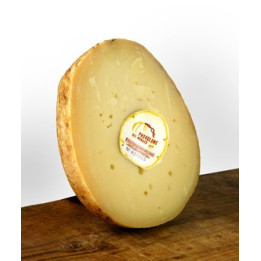
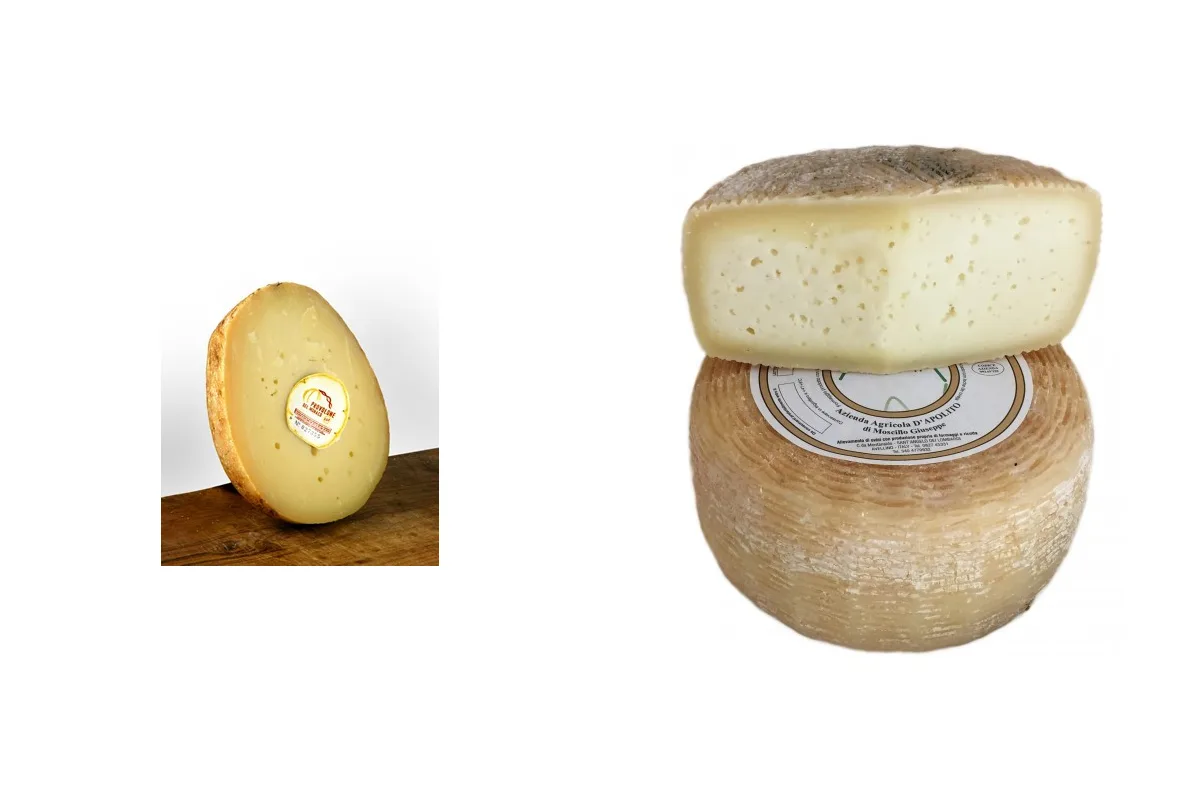
- Shape: a slightly elongated melon or pear shape, without a knob, with the marks of the raffia ties; weight from 2.5 to 8 kg.
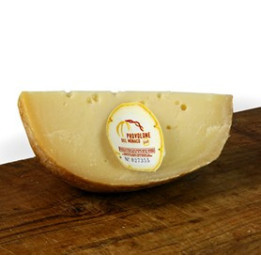
- Body (according to the specification): yellowish, compact and elastic, with occasional eyes; a sweet, buttery flavour with a slight piquancy, which after 7-8 months tends to become more marked.
The name “del Monaco” (of the monk) has a traditional explanation reported in the specification: the producers took the provoloni to the market in Naples, at night and by boat, covered by a cloak similar to a monk's habit. It is a traditional tale: we have not found historical documents that confirm it.
In the selection: the half wheel and the wedge. For the product page, see what the producer declares.
Pecorino Carmasciano
- Area: the locality of Carmasciano, in the Valle d'Ansanto, in Alta Irpinia, in the province of Avellino (according to Slow Food: Sant'Angelo dei Lombardi, Rocca San Felice, Guardia Lombardi and Frigento).
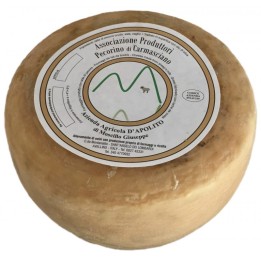
- Recognition: Slow Food Presidium and traditional agri-food product (PAT) of Campania. It is neither PDO nor PGI (IGP).
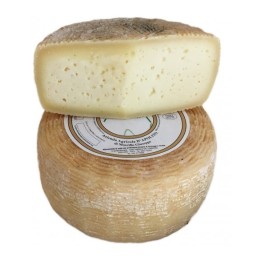
- Milk: raw sheep's milk; Slow Food recalls the tradition of the laticauda and bagnolese breeds. Dry salting.
- Ageing: the Presidium's page gives no minimum; according to Slow Food the cheese is at its best at around twelve months.
In the selection: the half and the whole. Whether a given cheese also belongs to the Presidio is shown on its label.
Soppressata
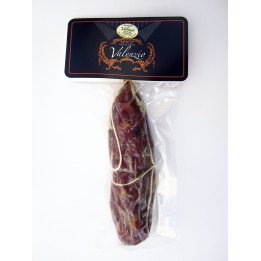
In the national list of traditional agri-food products, Campania has several soppressate: of Caggiano, of the Cilento, of the Sannio, of the Vallo di Diano, of Gioi Cilento, of Ricigliano and of Irpinia (smoked, aged for about one month). In the list consulted there is no “soppressata calitrana”. In the selection: the soppressata calitrana and the soppressata di maiale nero; name and area are those declared on the pack.
Cutting, serving, storing
For Provolone del Monaco and Pecorino Carmasciano we have not found official indications from a consortium or ministry on cutting and home storage. As a reference for a hard aged cheese (not specific to these two) the indications of the Parmigiano Reggiano and Grana Padano consortia can be used: refrigerator at 4-8 °C, away from strong-smelling foods, in film or a container, without freezing; take it out of the refrigerator about an hour before serving. These are practices applied by analogy: for these cheeses follow the label and, if in doubt, do not eat them. They contain milk, an allergen that must be declared on the label; whether they are made with raw milk is stated on the label.
What to drink
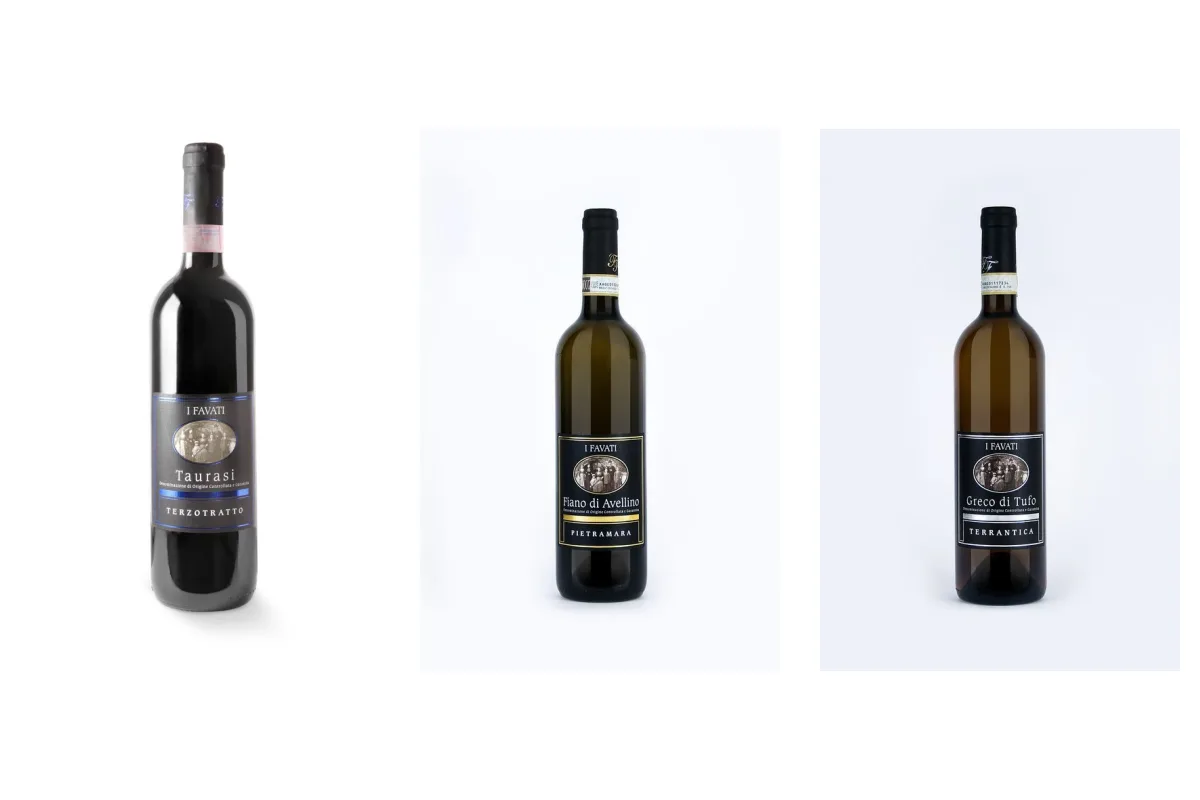
The consortium of the Irpinian wines suggests for Taurasi and Aglianico “aged cured meats and important cheeses”; the Consortium proposes Greco di Tufo with fresh and goat's cheeses and Fiano with lightly salted buffalo mozzarella. Details in wine and food pairing. The whole section is in Cheese and cured meats.