How to read the label of a regional speciality and how to store it
What a food label shows, the difference between “use by” and “best before”, what PDO, PGI and PAT are, and how to store opened products.
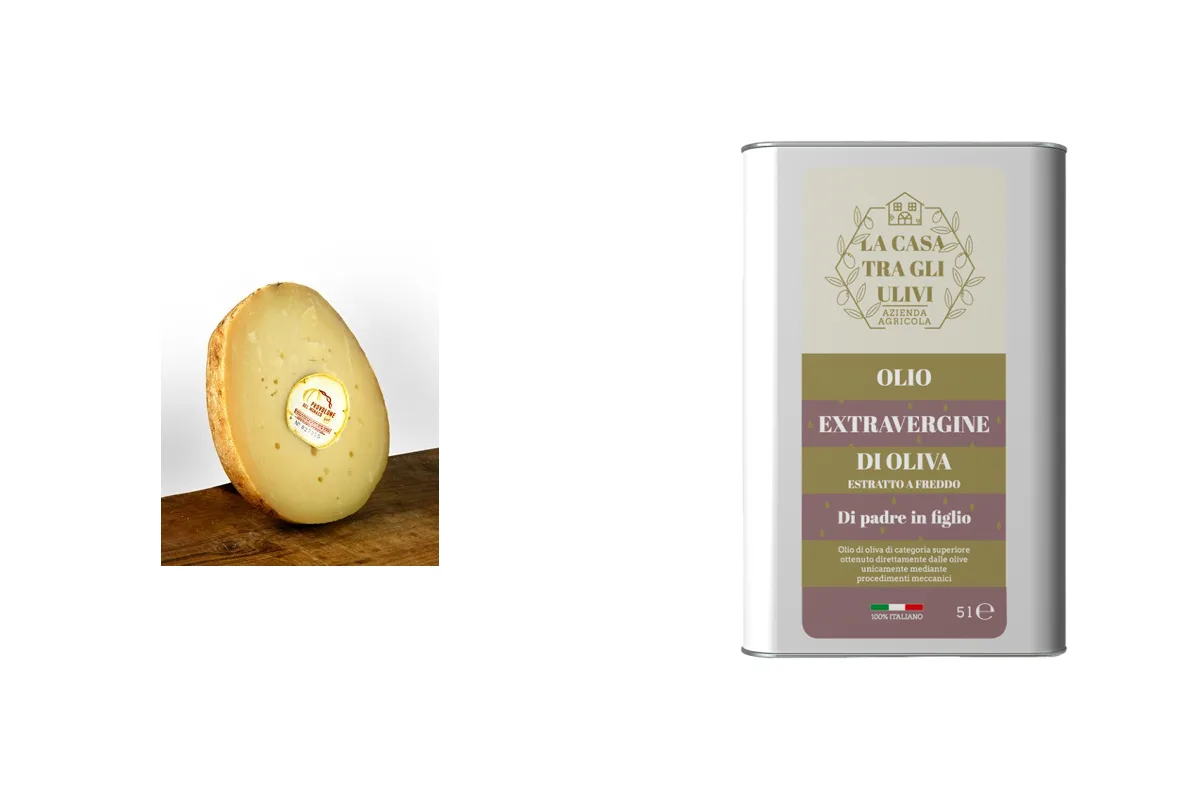
In brief
A packaged food normally carries the name, the ingredients with allergens highlighted, the quantity, the date and the producer (some products are exempt from some items). “Use by” is a safety expiry date; “best before” concerns quality. PDO (DOP) and PGI (IGP) are European designations; PAT (traditional agri-food product) is a national recognition, which is different.
What a label shows
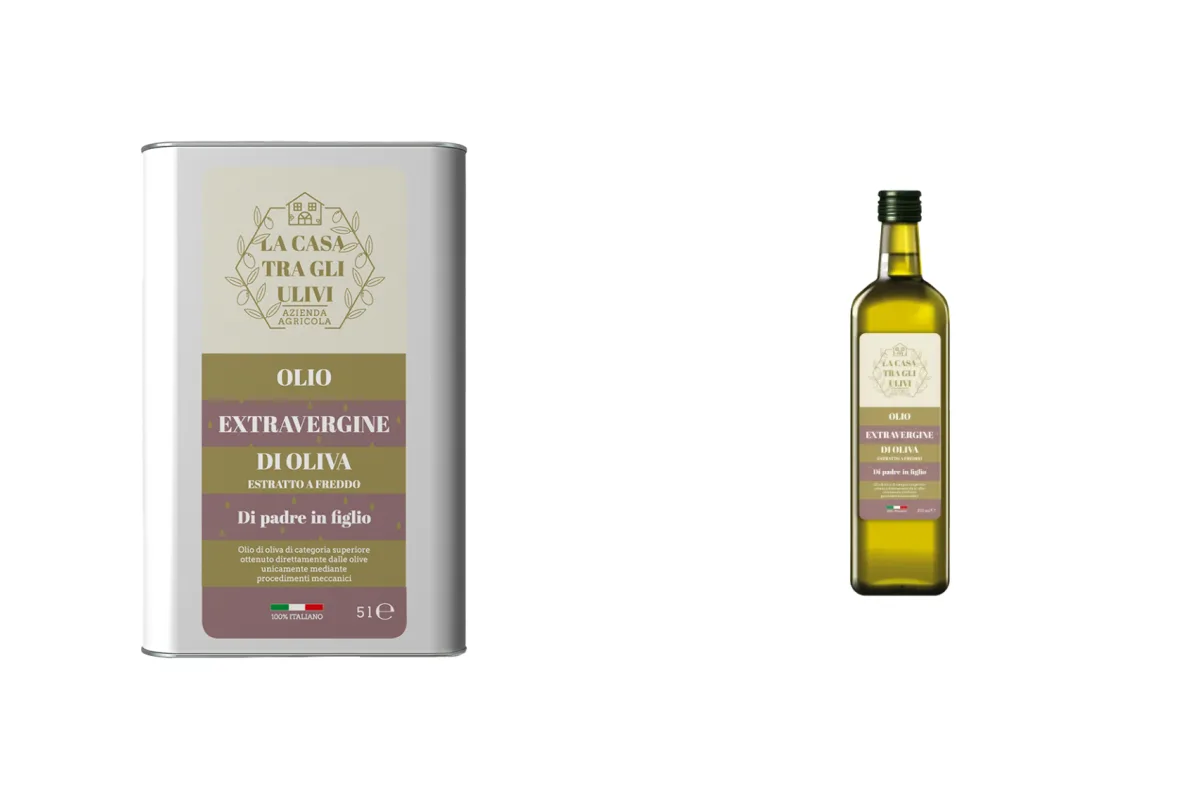
Regulation (EU) 1169/2011 lists the mandatory information on prepackaged foods:
- the name of the food;
- the list of ingredients, with allergens highlighted (for example in a different typeface);
- the net quantity;
- the date: the use-by date or the minimum durability date;
- the storage conditions and, where necessary, the period of consumption after opening;
- the name and address of the responsible operator;
- the country of origin or place of provenance, where mandatory;
- the nutrition declaration.
The lot, which identifies the batch and is often preceded by the letter “L”, is provided for by Directive 2011/91/EU. In Italy the label also states the location of the production or packaging plant (Legislative Decree 145/2017, applicable from 5 April 2018; it may be omitted if it coincides with the address already given). The mandatory text must have a minimum x-height of 1.2 mm (0.9 mm if the largest surface of the packaging is smaller than 80 cm²). When buying online, all this information, except the date, must be visible before the purchase.
Use-by date and minimum durability date
- “Use by…” (da consumare entro…) is the expiry date: it concerns safety. After that date the food is not eaten, even if it looks fine.
- “Best before…” (da consumarsi preferibilmente entro…) is the minimum durability date (termine minimo di conservazione, TMC): it concerns quality. If the pack is intact and well stored, the food can often be eaten after it.
On wine the minimum durability date is not mandatory.
PDO, PGI, PAT, organic
- PDO (protected designation of origin): production, processing and preparation all take place in the indicated area, according to a specification. For wine the Italian abbreviations are DOC and DOCG. Examples in this Journal: the colatura di alici of Cetara and the Provolone del Monaco.
- PGI (protected geographical indication): a link with the territory: at least one stage of production takes place in the indicated area (for PDO, all of them). Example: the “Pasta di Gragnano”, produced and packaged only in the municipality of Gragnano.
- PAT (traditional agri-food product): a national recognition, not a European one, for products with processing methods established for at least 25 years, in a list updated by the Ministry of Agriculture. Examples: the fagiolo di Controne, the cece di Cicerale. It is not a PDO and must not be confused with a PDO.
- Organic: requires the European leaf logo, the code of the control body and an indication of the origin of the raw materials. “In conversion” may be written only in limited cases.
The European rules on geographical indications (PDO, PGI, TSG) are those of Regulation (EU) 2024/1143, applicable from 13 May 2024.
How to store what you have opened
- Refrigerator: below 5 °C (EFSA); for refrigerated products at risk, the Ministry of Health indicates no more than +4 °C.
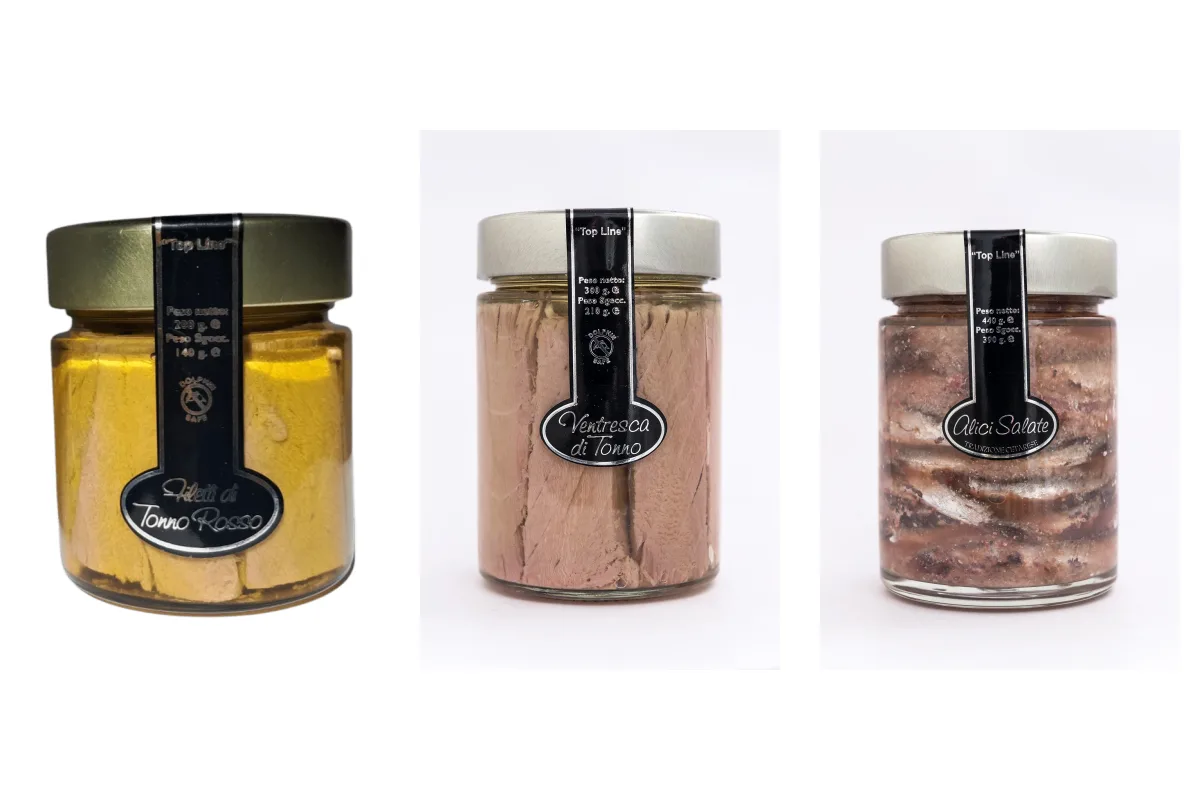
- Opened preserves in oil: in the refrigerator and to be eaten soon, according to the producer's label. There is no single time valid for all preserves: the Istituto superiore di sanità (ISS) gives time indications only for home-made ones. Oil on its own does not prevent the growth of bacteria. A swollen jar, or one with unusual smells, is never tasted.
- Oil: in the dark and away from heat; see how to store it.
- Hard aged cheeses: in the refrigerator at 4-8 °C, away from strong-smelling foods, without freezing (indication of a consortium for a hard-paste cheese); for pasta filata cheeses there is no specific indication.
- Opened wine: according to Altroconsumo, still wine generally keeps 3-5 days, in the refrigerator and upright; sparkling wine with a pressure stopper keeps 3-4 days.
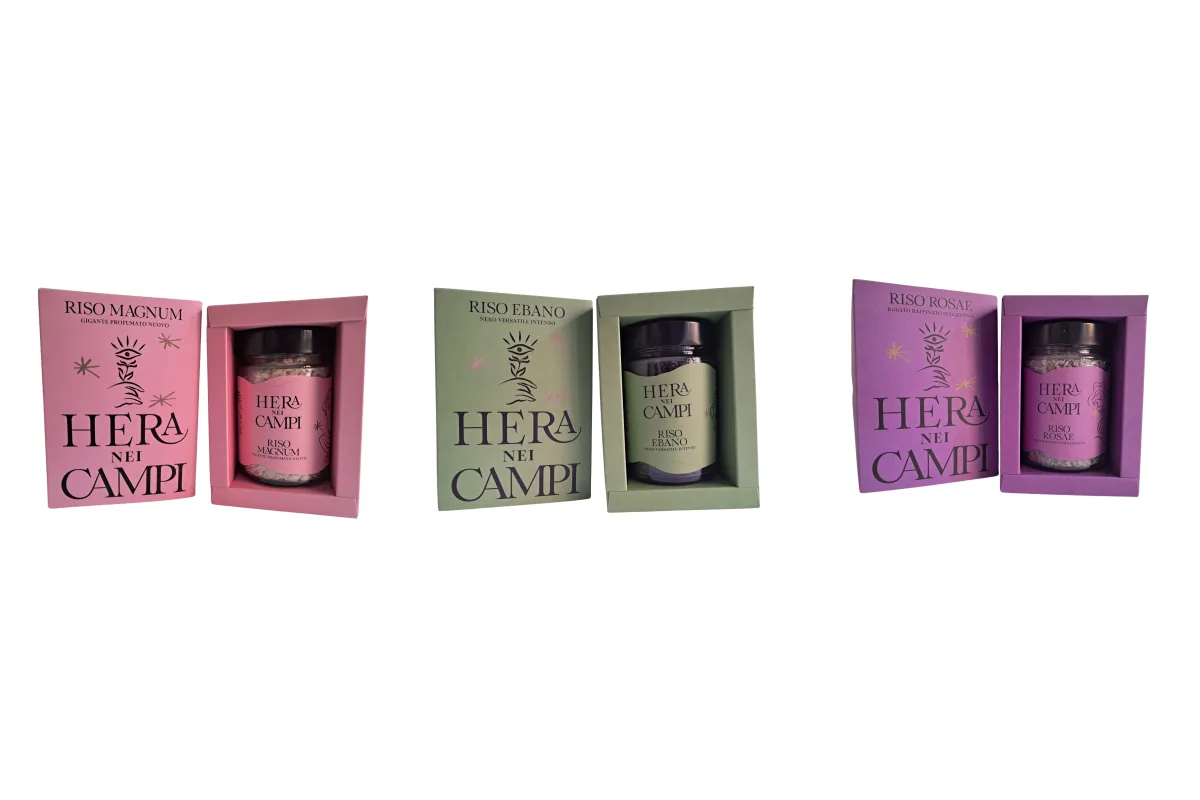
- Dried pulses and rice: in a closed container, cool, dry and in the dark (see pulses and rice).
In all cases, after opening, what the producer writes on the label applies.
Do you have a doubt about a product?
If a label is not clear to you, or you want to know what data the producer declares, write to us. The products are in Pantry, From the Coast and the Sea and Wine shop.