Tuna, tonnetto, ventresca and anchovies: how to read the jar
The difference between red tuna and yellowfin tuna, what “tonnetto” means, what ventresca is and how to tell salted anchovies from those in oil.
In brief
On the jar of a preserved fish, the commercial name and the species matter. “Red tuna” and “yellowfin tuna” are two different species; “tonnetto” is a commercial name that covers several species; ventresca is the cut from the belly. Opened preserves go in the refrigerator and are eaten soon.
Red tuna, yellowfin tuna
The official list of commercial names of fish species (Ministry of Agriculture, 2017) assigns a precise name to each species. Two are the ones most often read on preserves:
- Red tuna (Thunnus thynnus): the largest of the tunas, living in the Atlantic and the Mediterranean. According to the 2017 ministerial list, its name is “tonno” or “tonno rosso”.
- Yellowfin tuna (Thunnus albacares, in Italian tonno a pinne gialle): an open-sea species, tropical and subtropical, present in all three oceans.
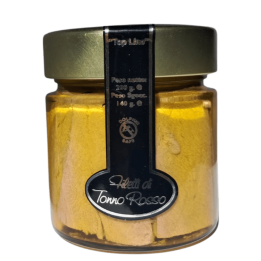
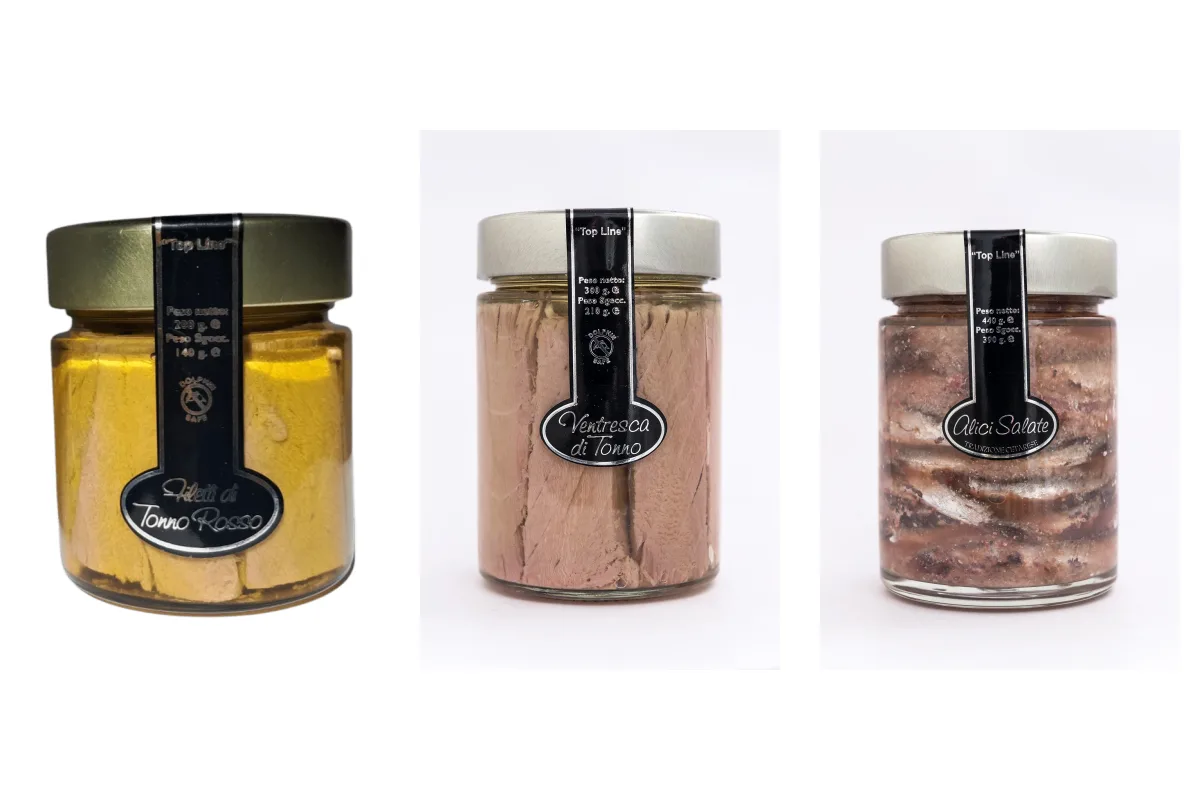
They are two species, not two qualities of the same fish. On preserves, however, “tonno” can also indicate other species: what counts is the species written on the label and, where it is given, the fishing area. The red tuna fillet in olive oil is in the selection.
There is no official ranking between the two species: what counts is the one written on the label.
What “tonnetto” is
“Tonnetto” is not a species: it is the commercial name of several different species, and the official lists do not coincide with one another (the 1981 law and the 2017 ministerial list use different names for some species). For this reason, with a tin of tonnetto, it is worth reading the scientific name when it is given. “Tonnetto” does not mean “young tuna”.
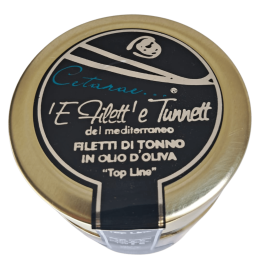
For the tonnetto fillets in olive oil of the selection, the species is to be read on the label.
Ventresca
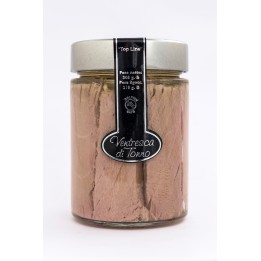
According to the Treccani dictionary, ventresca is the belly part of the tuna, the lower quarter of the fish: the flesh is pale, tender and fattier, and for this reason it is considered more prized. It is sold in oil. The name does not indicate a species: the tuna ventresca can be of different species, and the label must be read.
Salted anchovies and anchovy fillets
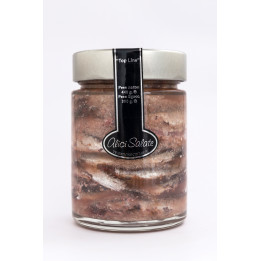
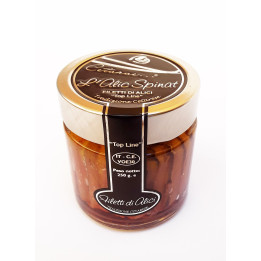
These are two different products, which the national list of traditional agri-food products (PAT) names as separate entries for Campania: salted anchovies and anchovy fillets in oil. For the salted anchovies and the fillets, read on the label how they are to be used. We have not found rules on how to desalt anchovies: these are kitchen practices with variants.
Storing an opened preserve
According to the Istituto superiore di sanità (ISS), industrial preserves are generally not dangerous; preparing preserved fish at home is discouraged. After opening: refrigerator, quick consumption and oil covering the fish (a widespread practice). The time depends on the product: follow the producer's label. A swollen jar, or one with unusual smells, is not tasted. More guidance in how to read the label.
In the kitchen
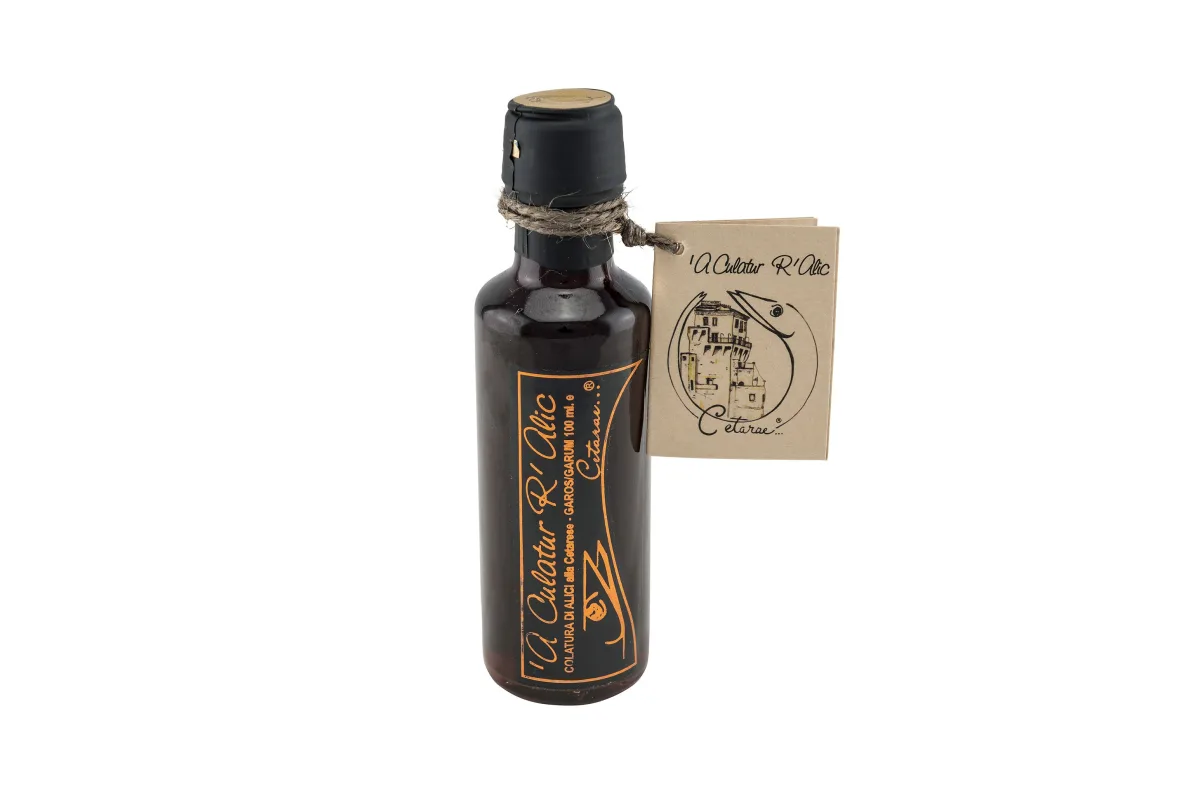
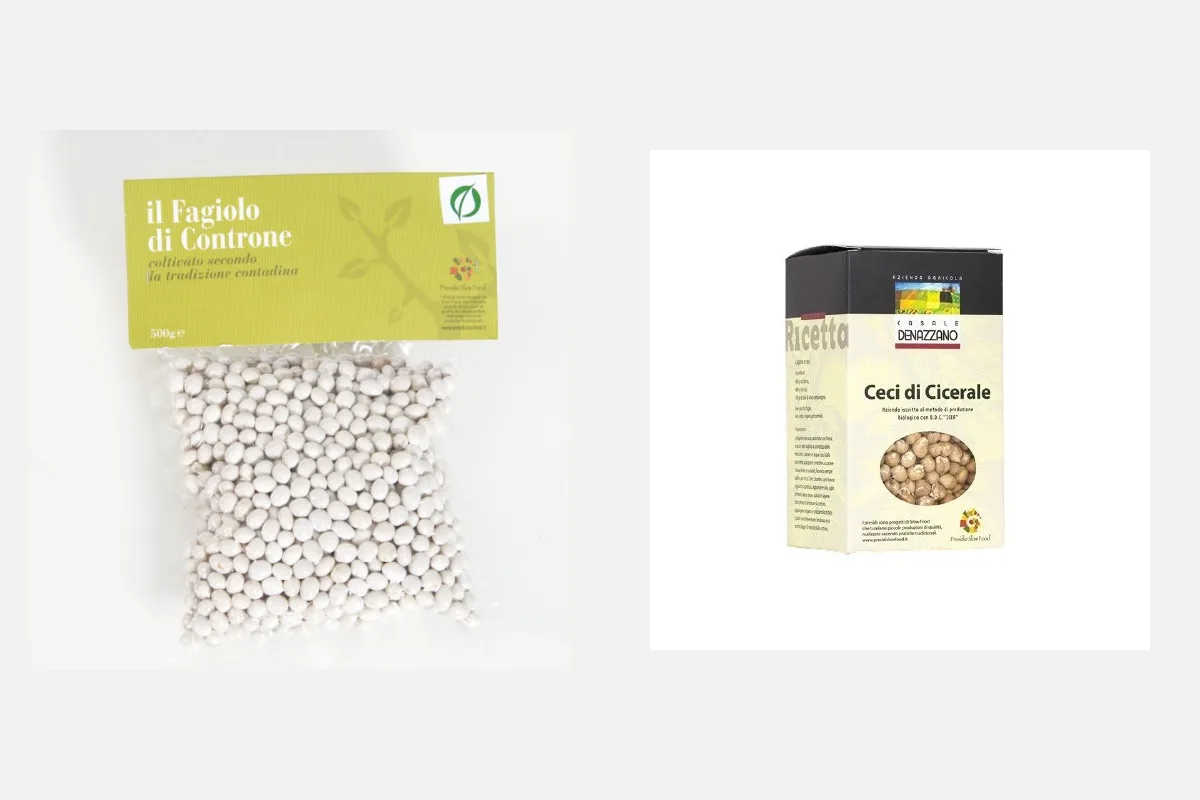
Tuna and ventresca are served on vegetables, in a pulse salad (see beans and chickpeas) or on a bruschetta. Anchovies with colatura are another idea for the pantry. The whole section is in From the Coast and the Sea; the suitable wine is in the guide to pairings.