Magnum, Ebano and Rosae rice: risotto, black rice and pink rice
How rice is classified by law, what Magnum, Ebano and Rosae are, how to cook them and how to store them.
In brief
By law, rice is classified by the shape of the grain, not by the type of dish. Magnum, Ebano and Rosae are three rices that the company declares to be grown in the Piana del Sele, in the province of Salerno: a risotto rice, a whole-grain black rice and a pink rice. The cooking times are those indicated by the producer: always check the pack.
What the law says about rice
Rice is regulated by Legislative Decree 131/2017, which from 1 September 2018 replaced the old law of 1958. The decree classifies rice into four groups, according to the shape of the grain: round, medium, long A, long B. The name of the group is the name of the food. It may be followed by the name of a variety entered in the varietal register of the Ente Nazionale Risi, or by a fancy name if it is not misleading. If the rice has a pericarp (the skin of the grain) that is coloured by the nature of the variety, the colour must be stated on the label.
“For risotto” or “aromatic” are therefore not legal categories: they are indications of use or of character.
Magnum, Ebano and Rosae
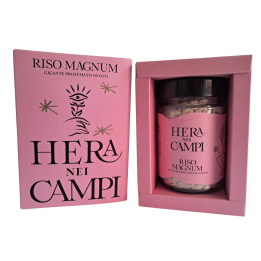
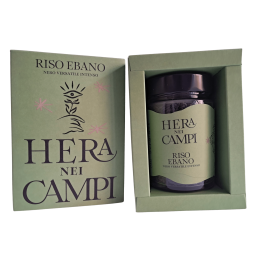
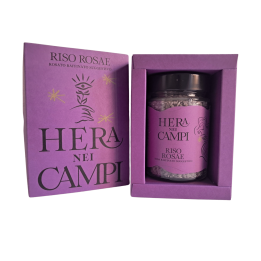
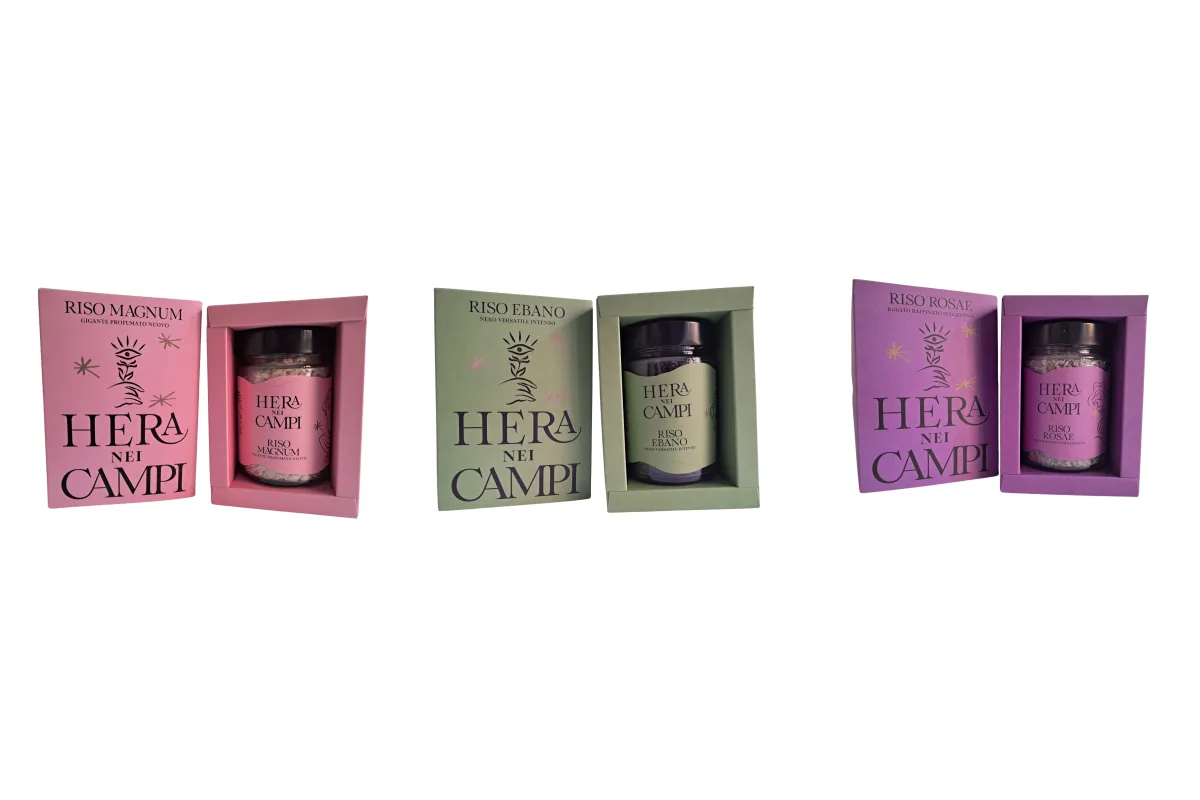
These are the three rices of the Hera nei Campi brand, grown in the Piana del Sele (Salerno), an area where rice, according to the company and the trade press, had not been grown for about two hundred years. The information that follows consists of declarations by the company.
- Magnum: extra-large grain, pearly, naturally aromatic; it releases a lot of starch and is used for risotto.
- Ebano: whole-grain black rice, aromatic, late-sown. The name is the acronym of “Early Black Aromatic NOvelty”.
- Rosae: derives from Ebano. The grain is processed on stone; according to the company it is grey-violet when raw and turns pink in cooking, while the trade press speaks of a shift to pink with acidic ingredients.
For rices with a pericarp coloured by nature of the variety, such as Ebano, the law provides that the colour is indicated in the name of the food.
How to cook them
The cooking times that follow are those indicated by the producer on the packs, not independent data:
| Rice | Time indicated |
|---|---|
| Magnum | 18-20 minutes |
| Ebano | 37 minutes |
| Rosae | 9 minutes |
The risotto method, according to the Ente Nazionale Risi, involves a light soffritto, toasting the rice, adding boiling stock little by little, cooking in a shallow pan without a lid and the final creaming (mantecatura) off the heat. For boiling in plenty of salted water, white rice takes, according to the Ente Nazionale Risi, from 10 to 16 minutes depending on the variety, and is drained al dente; for these three rices only the producer's figure applies.
How to store it
The Ente Nazionale Risi recommends a cool, dry, ventilated place, at no more than 17 °C. Rice absorbs moisture and odours: the refrigerator and proximity to strongly scented foods are not recommended. After opening, what the producer writes on the label applies.
In the selection
The three rices come in glass jars; the size is given on each product page (other sizes are also on the site), and in the gift set with three jars and a candle. The whole Rice category is in the Pantry.